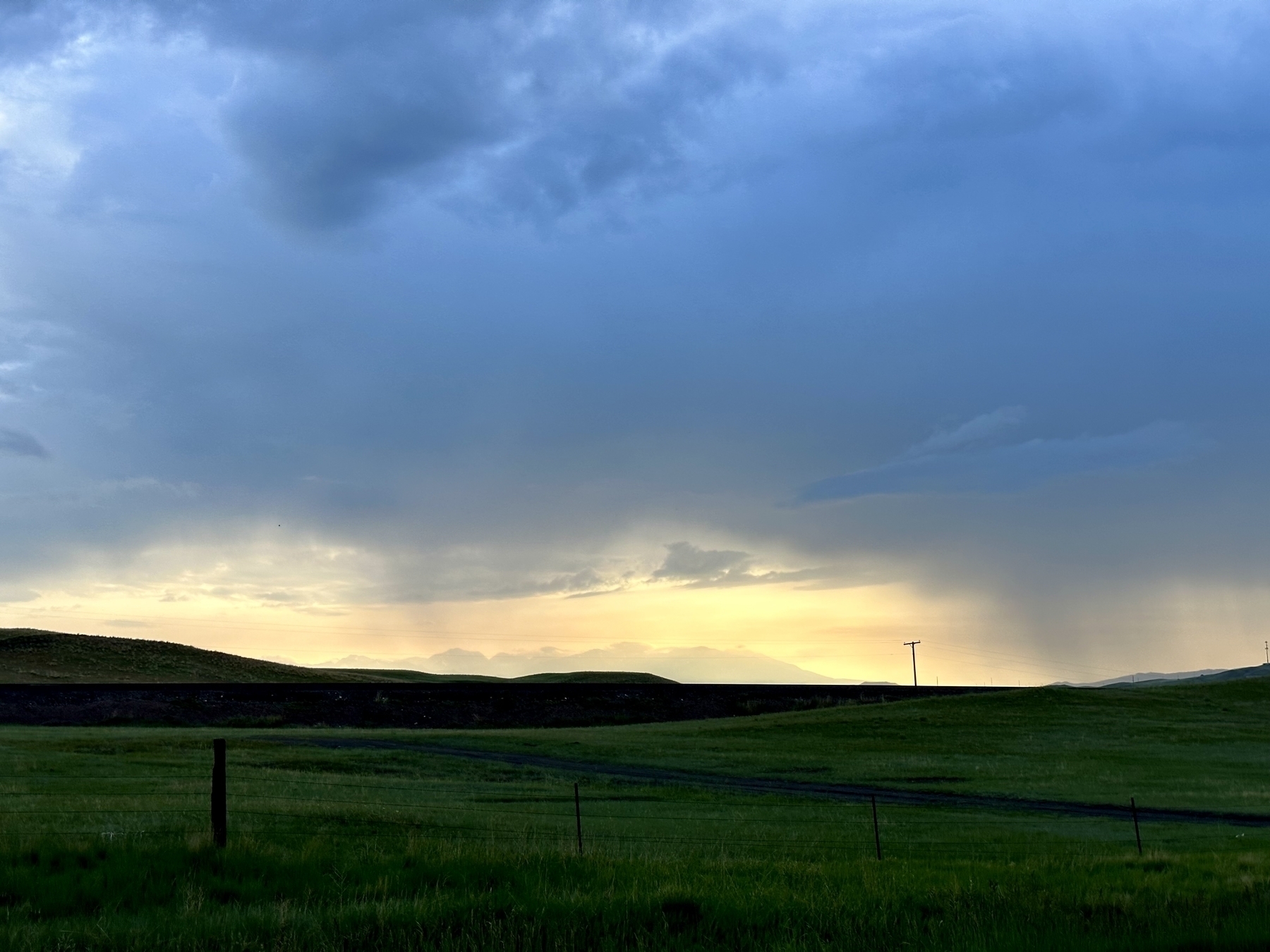
Looking down on Big Sky
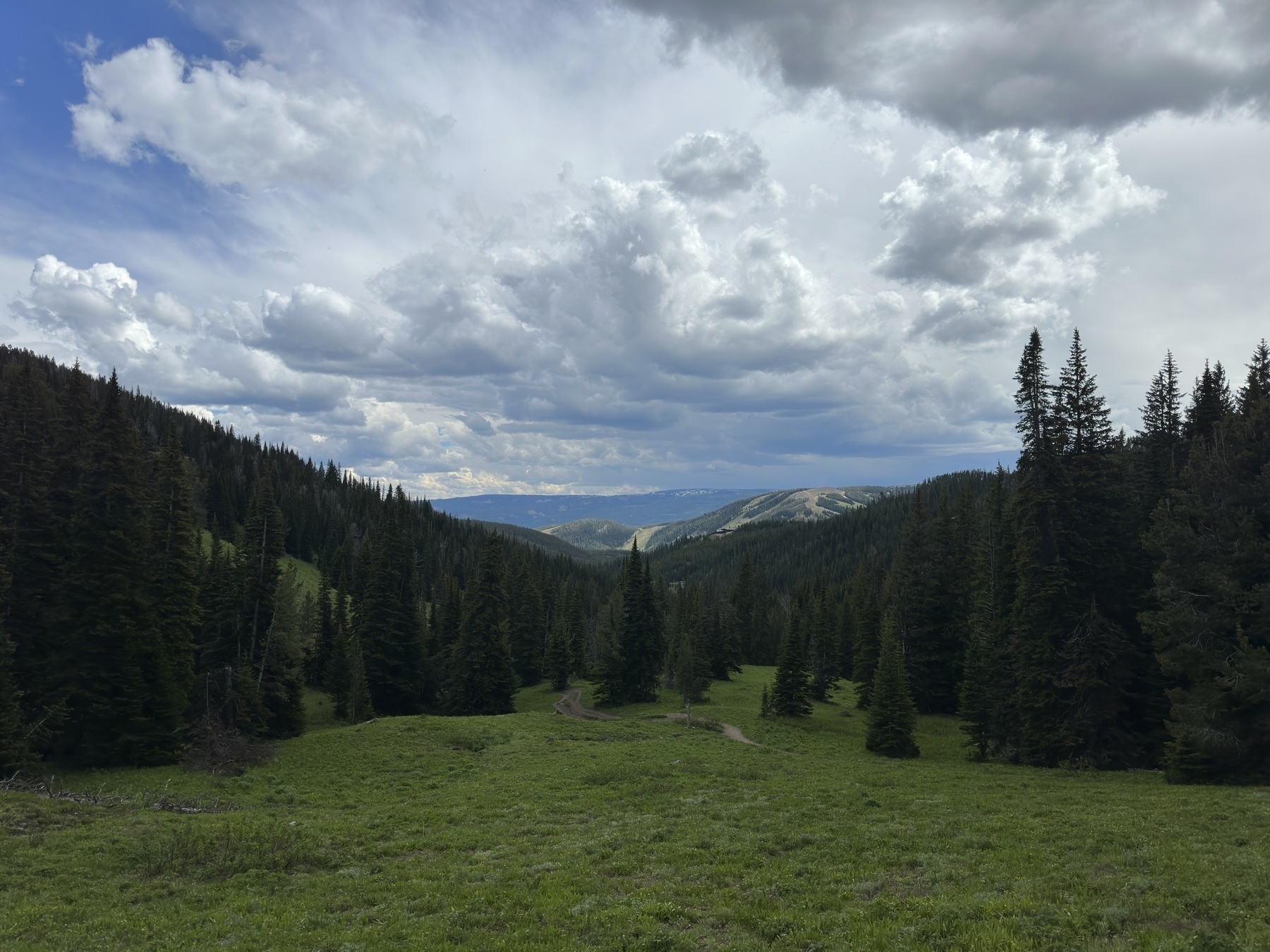
Looking down on Big Sky
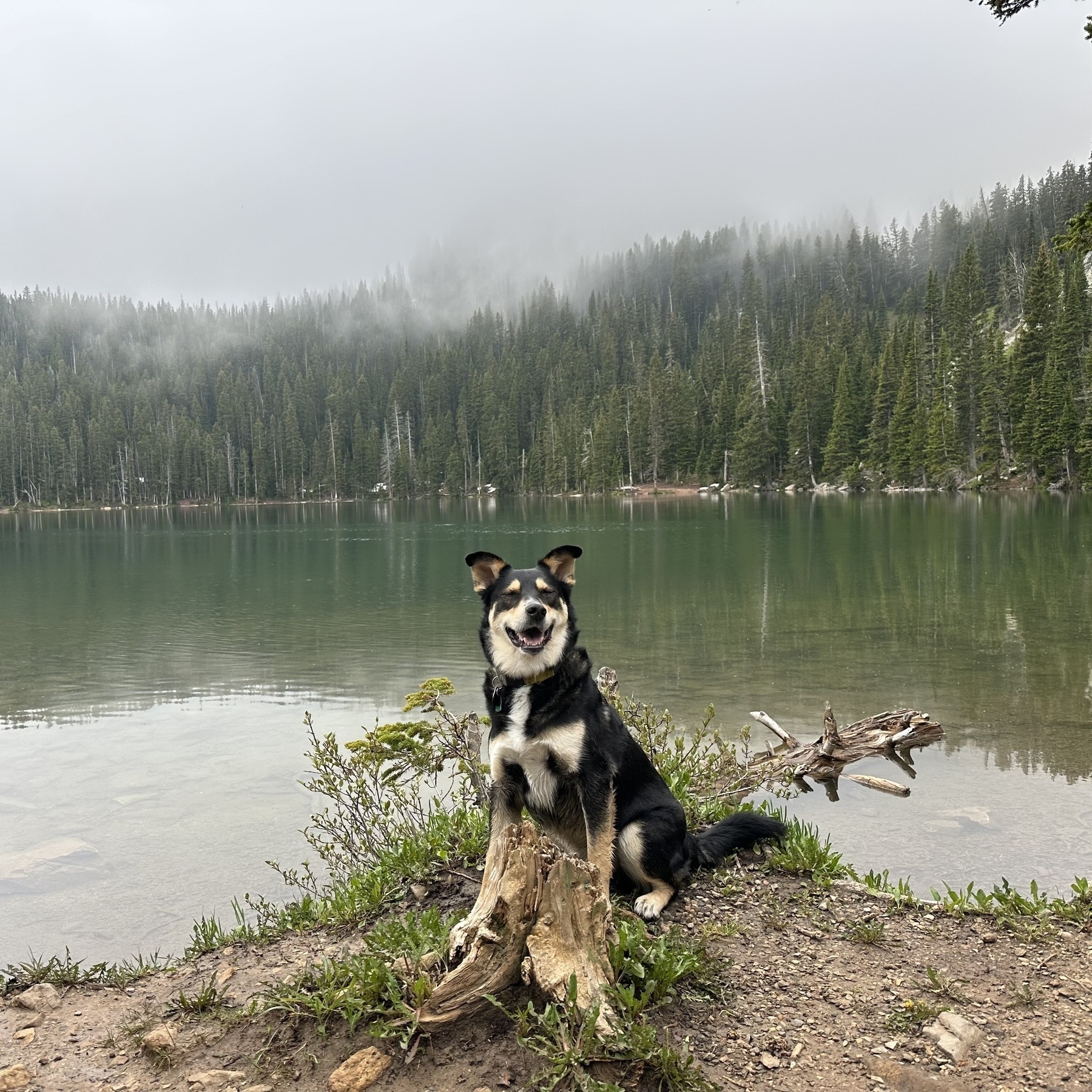
Goofball
Andrew H. Miller:
Reading stories is one way we explore attitudes of attachment to ourselves. . . . One can be amused with oneself, or earnest, reckless, experimental, smug, interested, judgmental, intermittently bored . . . . Fiction provides a wild taxonomy of such attitudes. More than that, it studies what it is to be committed to yourself at all. It makes of our commitment to continue reading an allegory for our commitment to continue being ourselves.
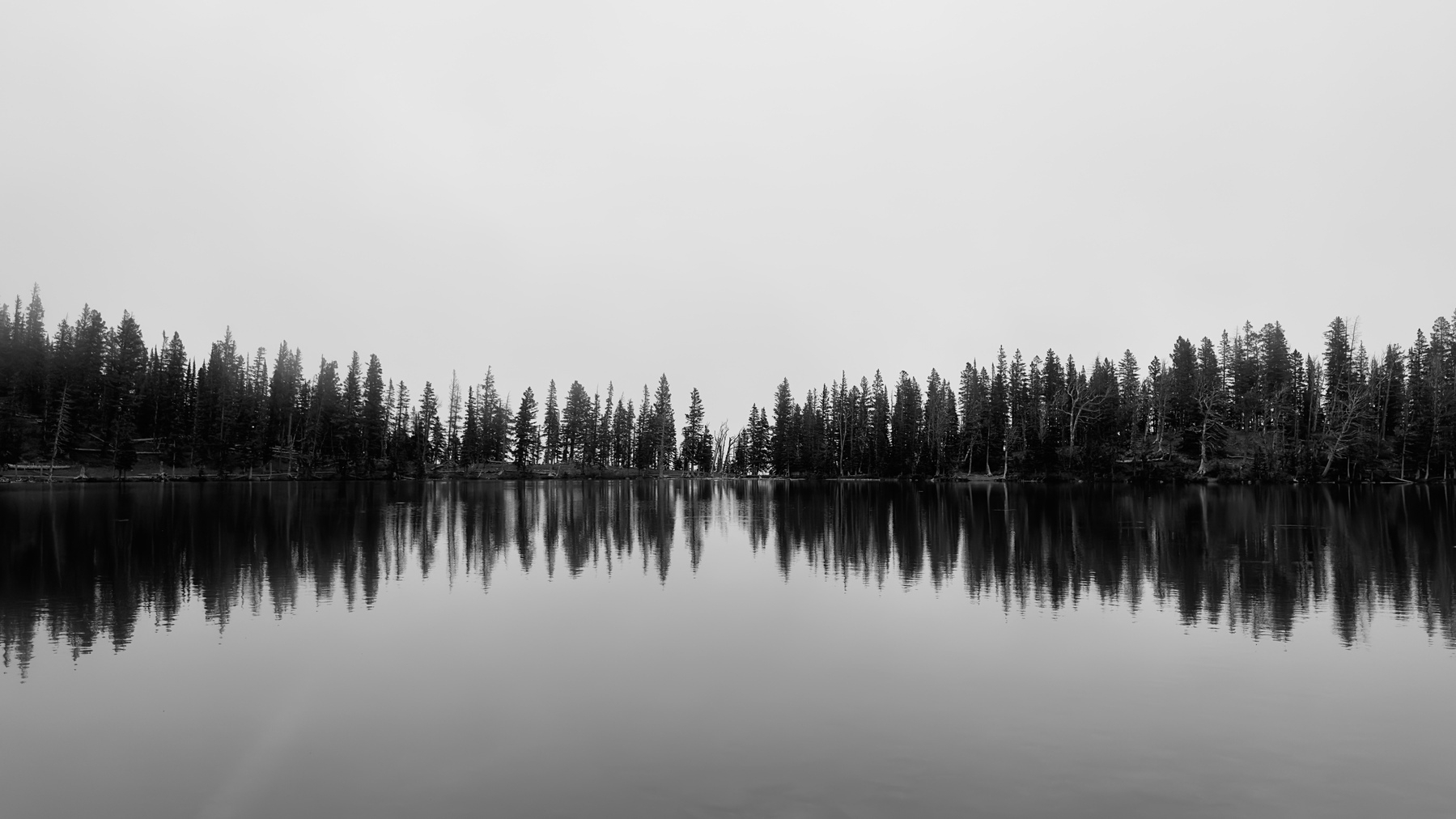
Fairy Lake
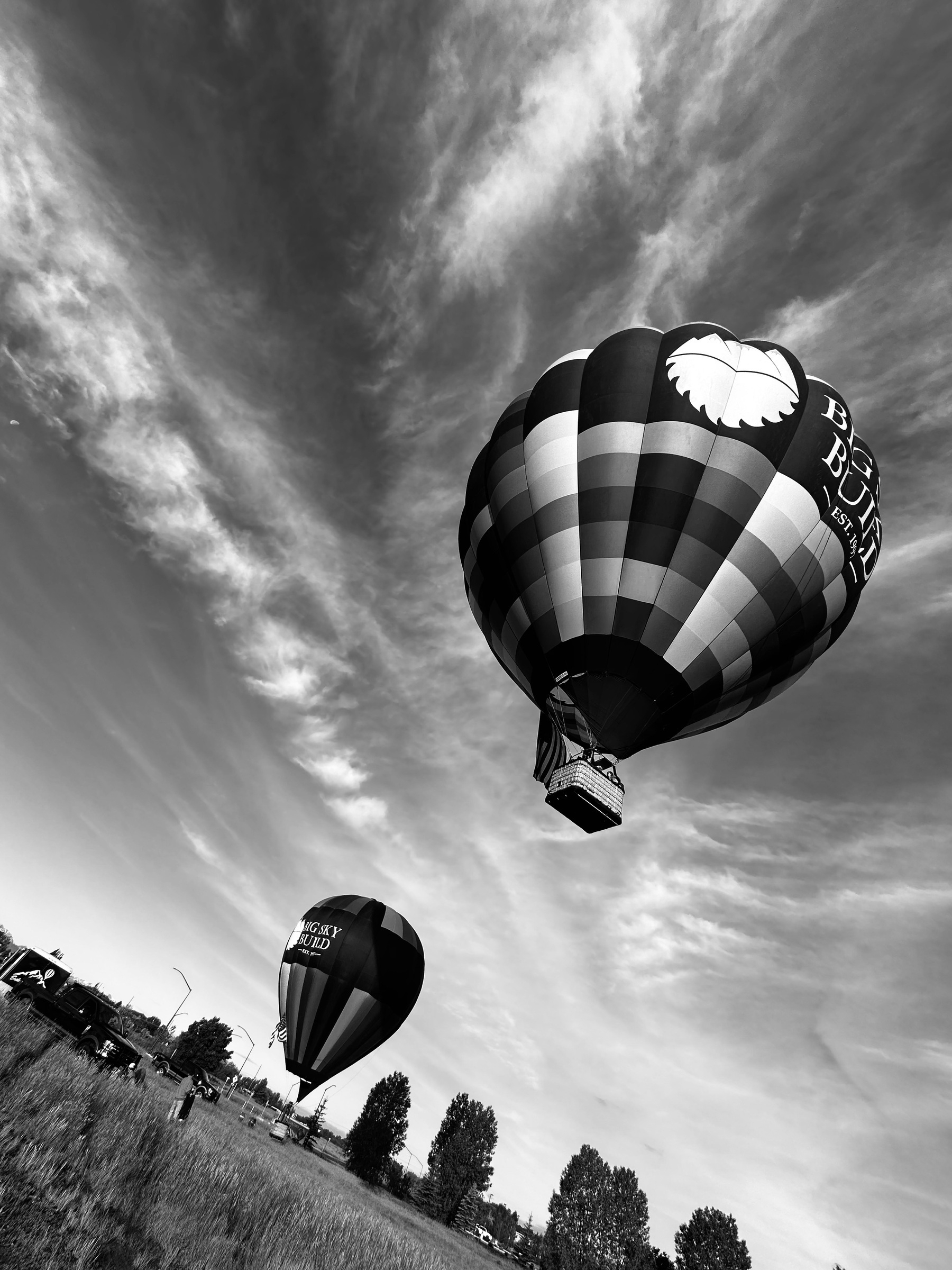
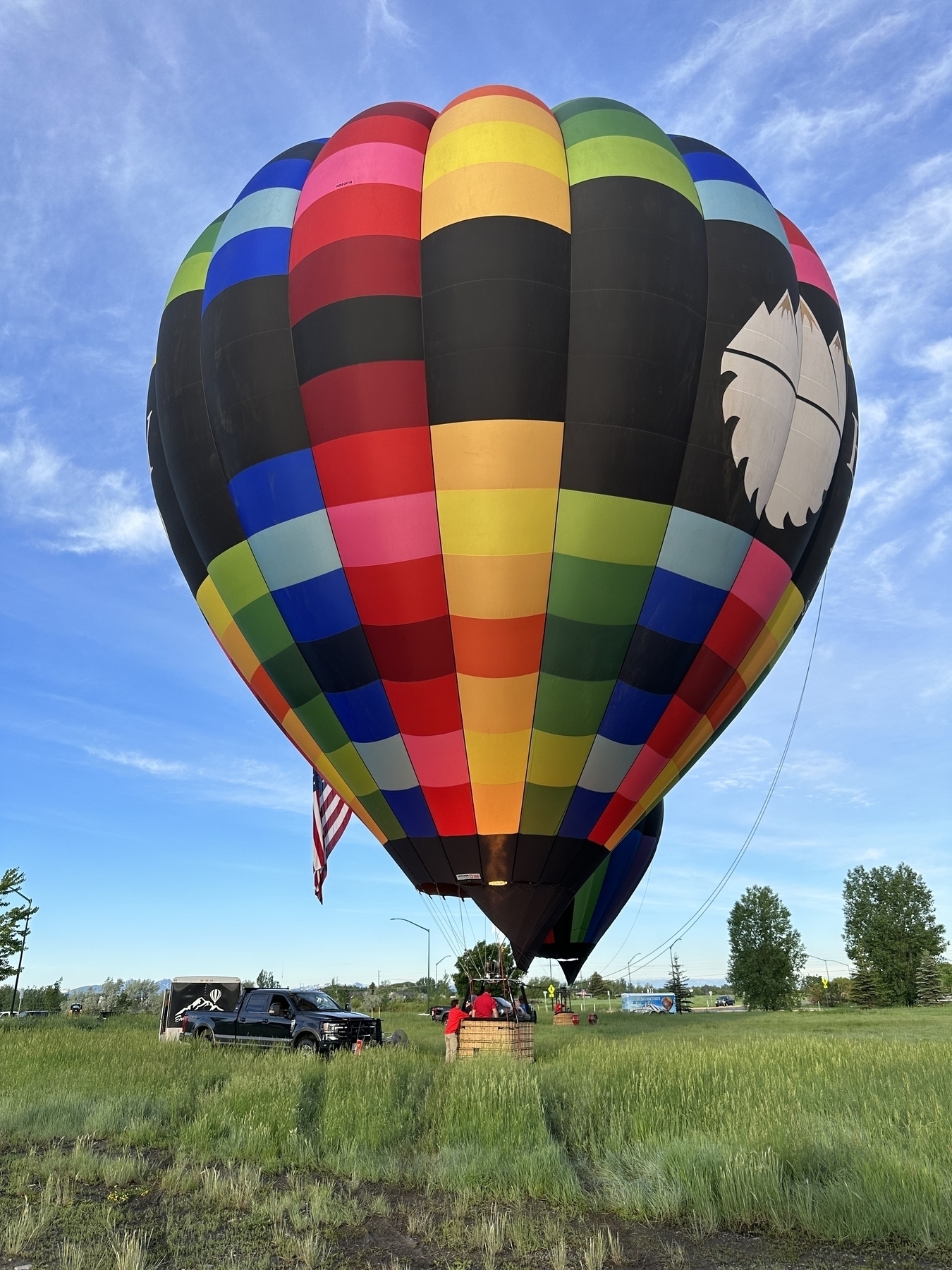
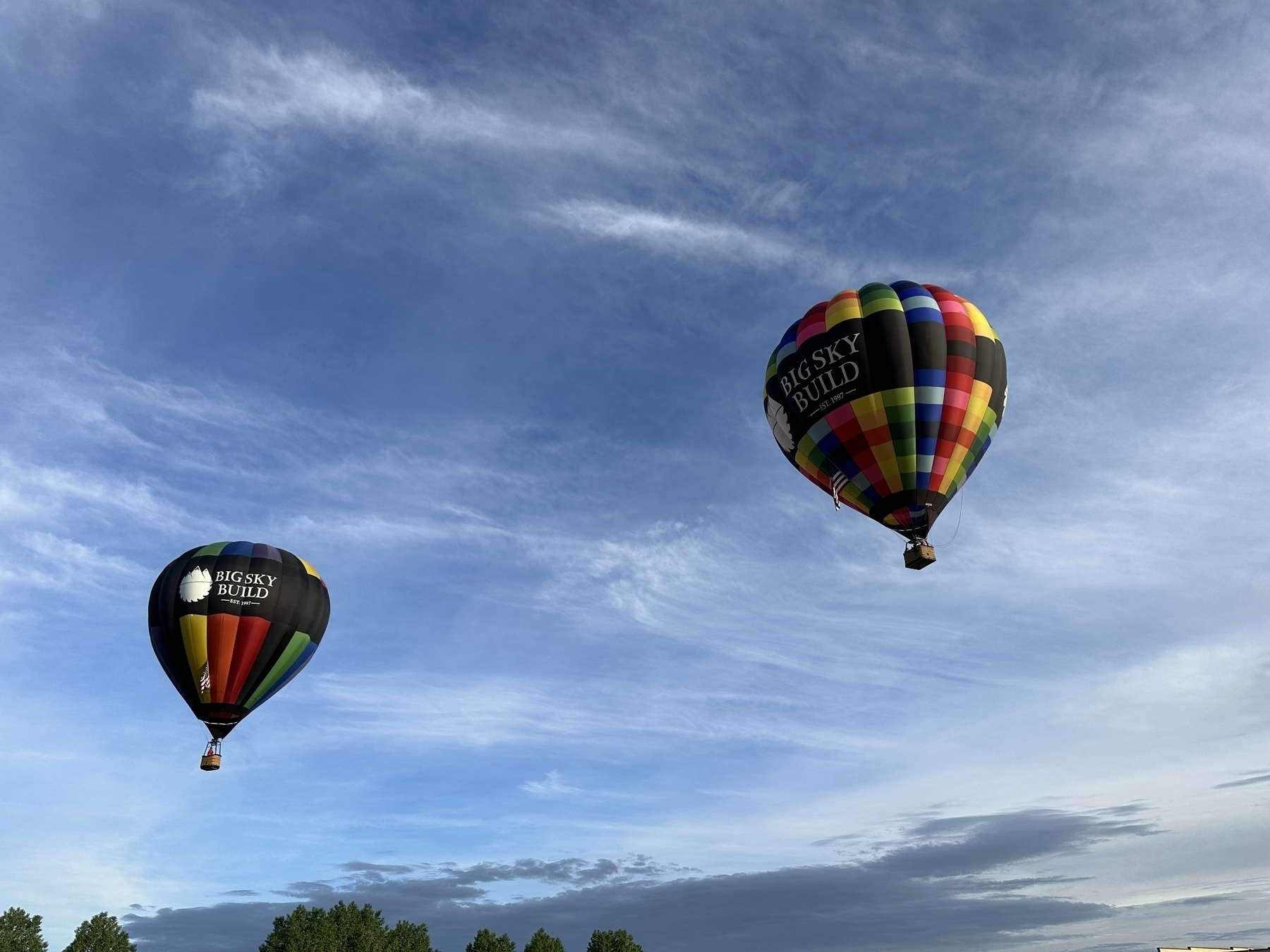
Balloons • These guys fly (float?) around Bozeman a lot
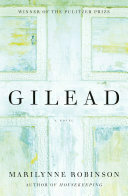
I’m rereading Gilead for a little bookclub with friends and really enjoying it. One of Robinson’s great talents lies in the centuries of thought — of “life” — that can hide behind the simplest of her lines.
By "life" I mean something like "energy" (as the scientists use the word) or "vitality," and also something very different. When people come to speak to me, whatever they say, I am struck by a kind of incandescence in them, the "I" whose predicate can be "love" or "fear" or "want " and whose object can be "someone" or "nothing" and it won't really matter, because the loveliness is just in that presence, shaped around "I" like a flame on a wick, emanating itself in grief and guilt and joy and whatever else.
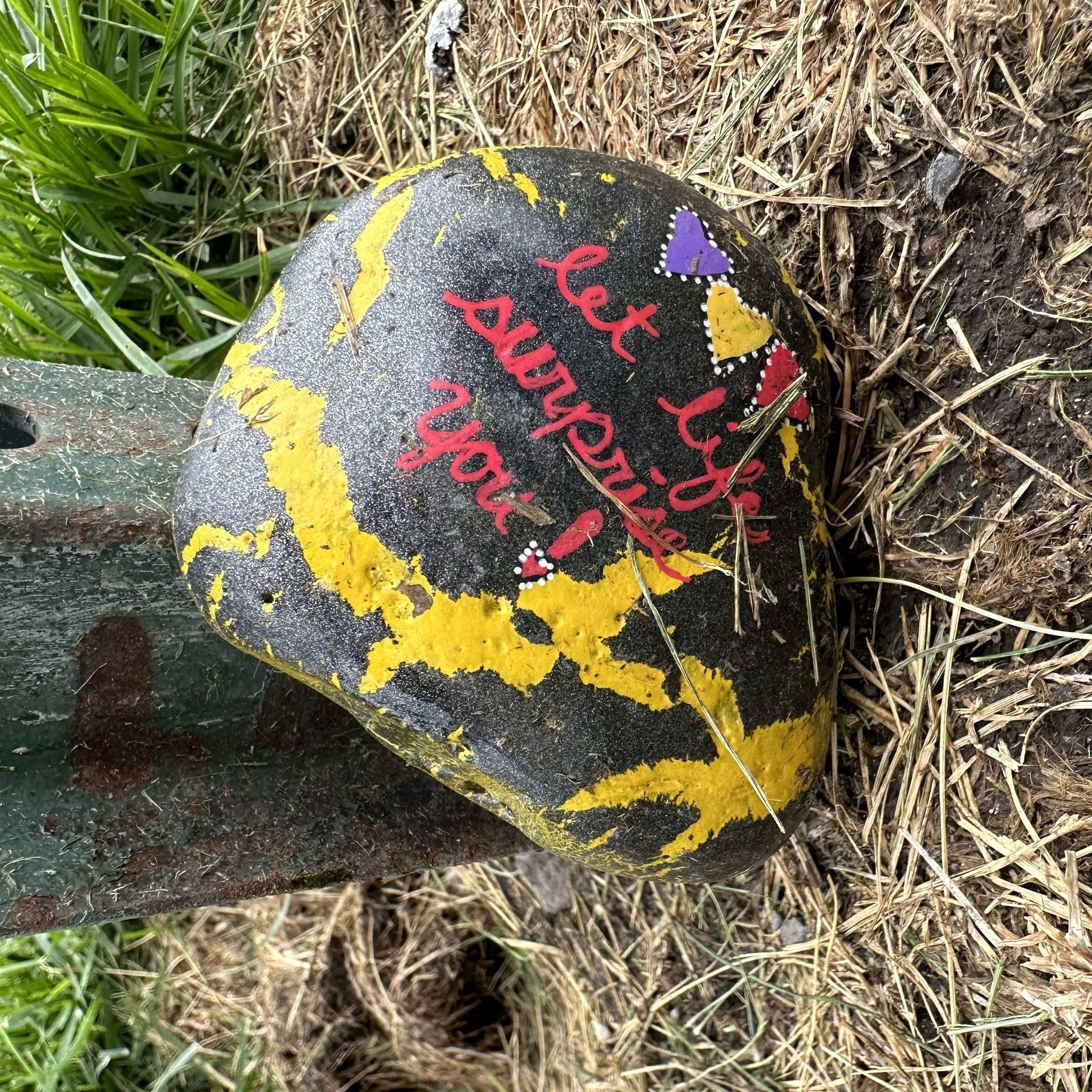
Sometimes the simplest juxtapositions do an immense amount of work. Bonhoeffer, for example: “bear more than shape, hope more than plan, hold out more than stride ahead.” Or this one, from L. M. Sacasas: “Care, not control.” As Andy Dwyer said when he called Leslie Knope an amalgam: “Nailed it!”
Montana morning