Coffee stop in Westfield, NY (b/w photo from 1912)
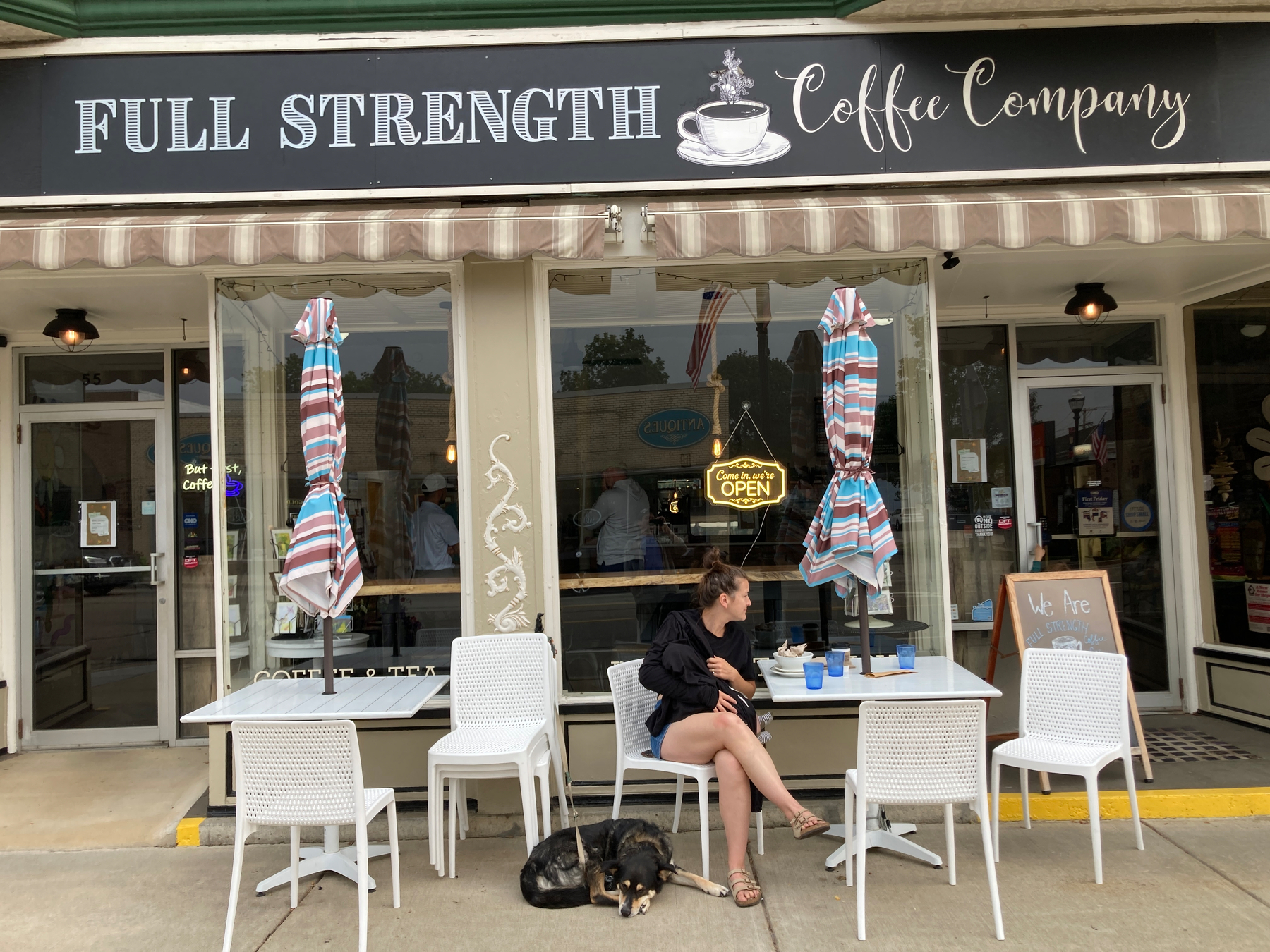
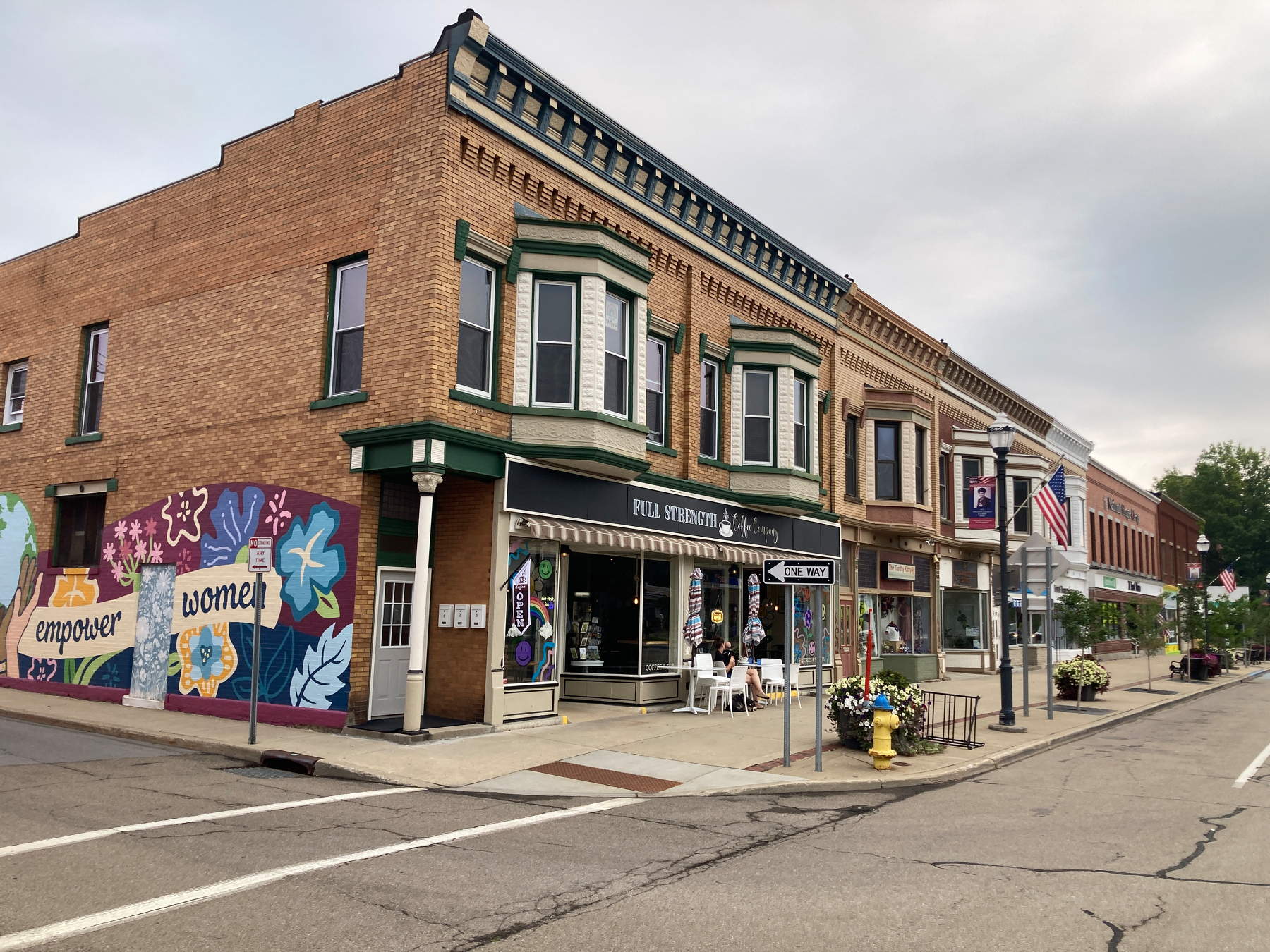
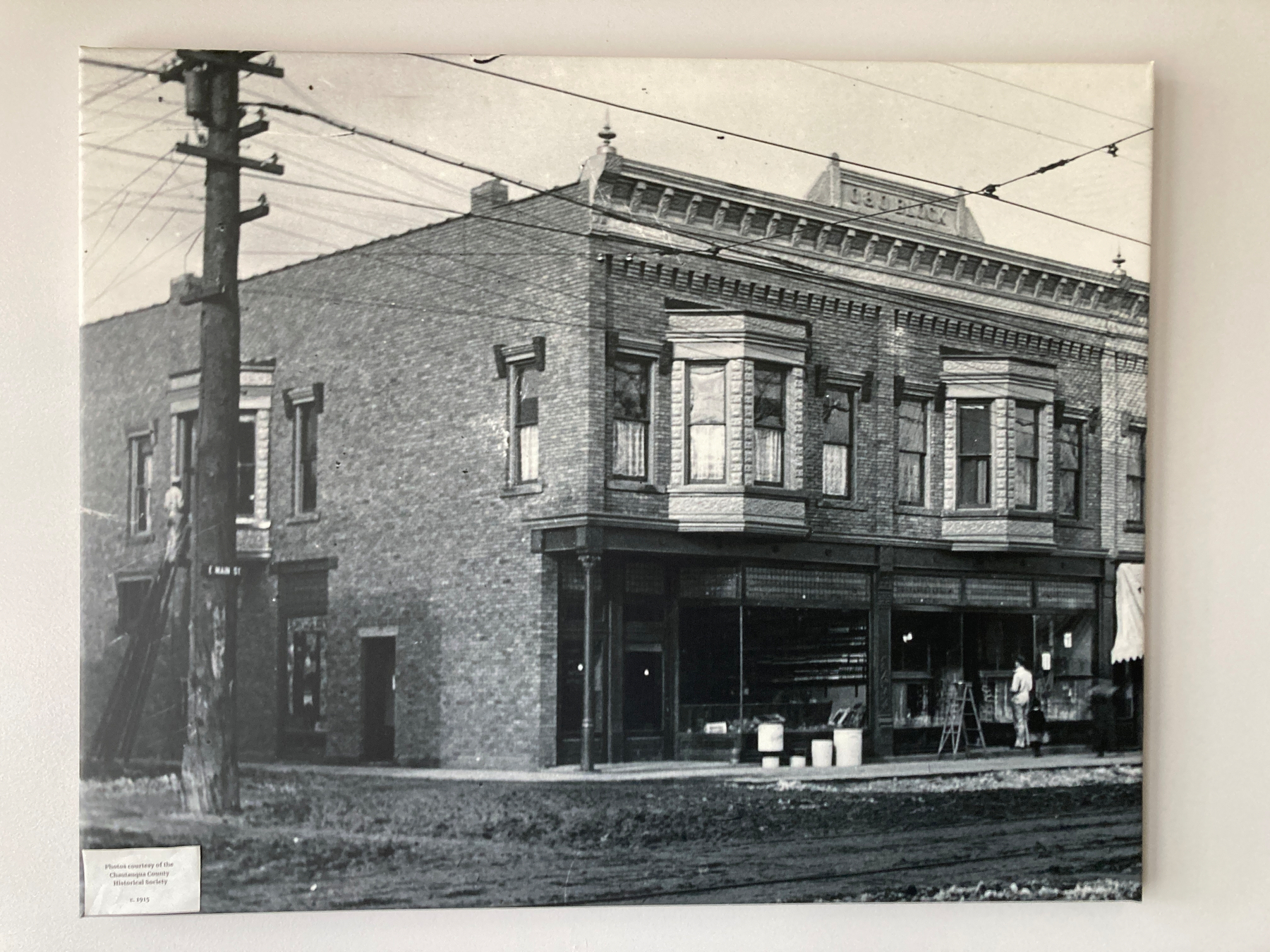
Coffee stop in Westfield, NY (b/w photo from 1912)
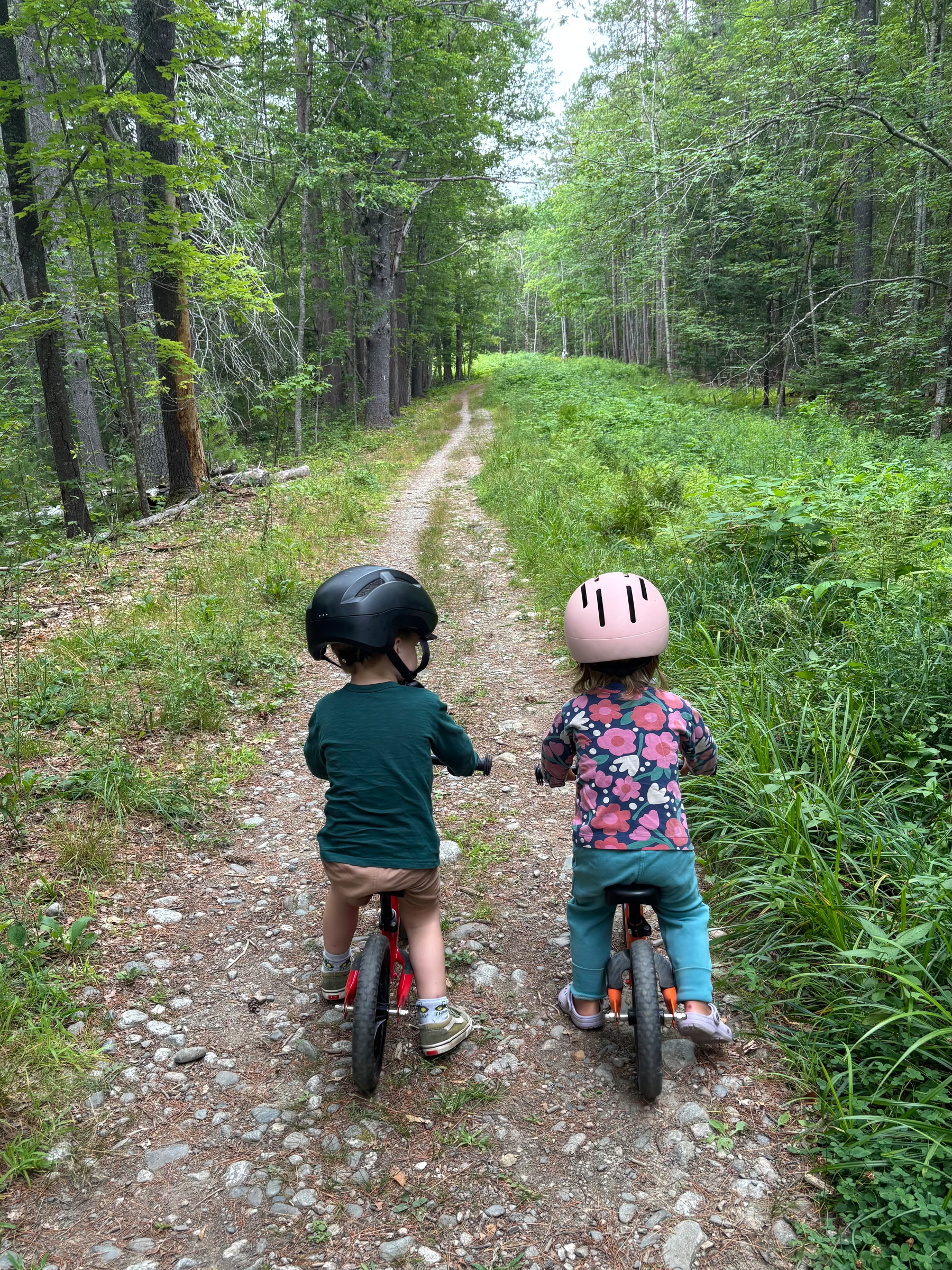
Let’s ride.
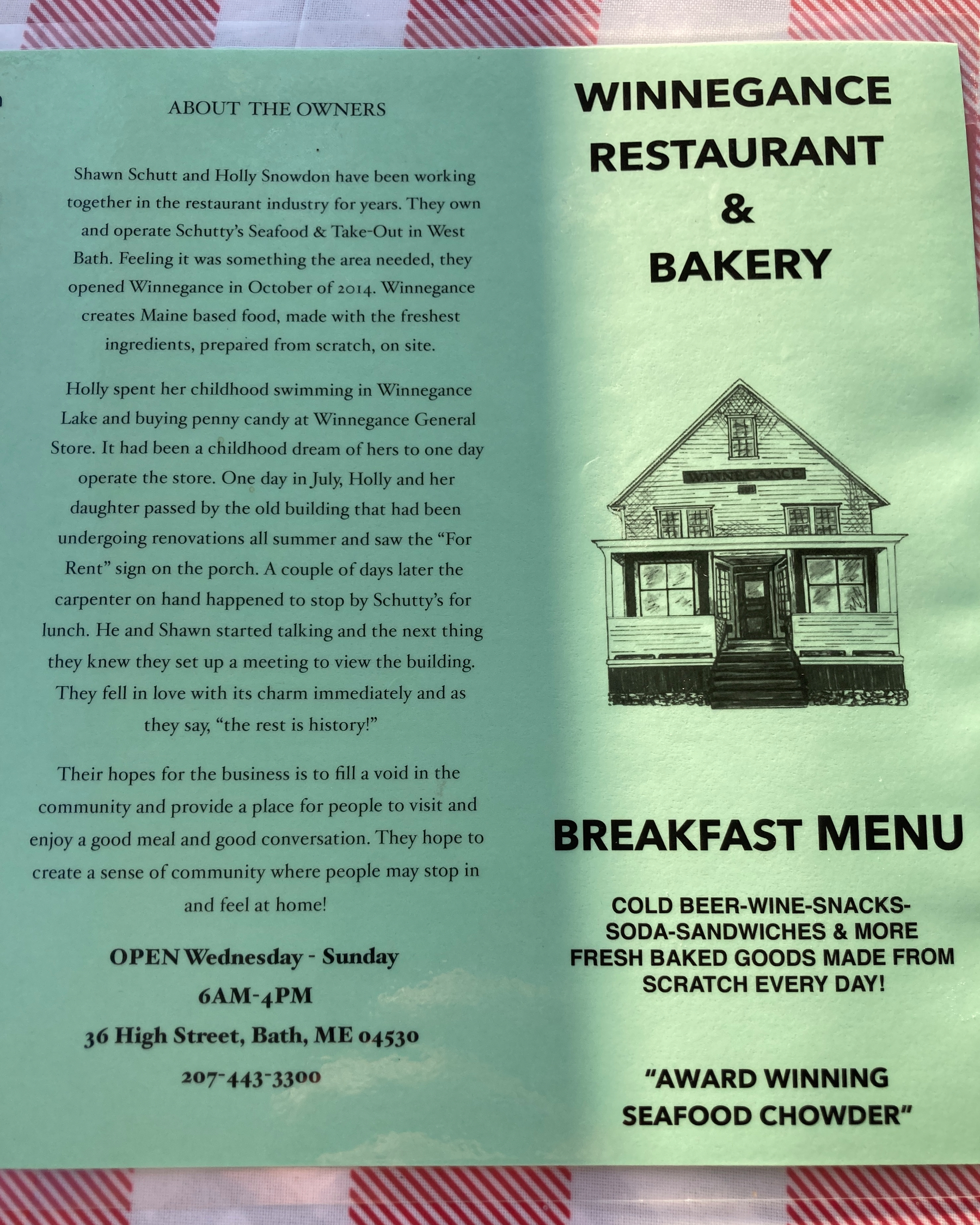
Most of the reasons Winnegance is my favorite spot — and probably the best breakfast spot in Maine — are in the owners’ short bio. It’s also one of the only places left that opens at a reasonable hour. And, here anyone can enjoy coffee, omelette, and book on a sunny porch overlooking the Kennebec.
Moving
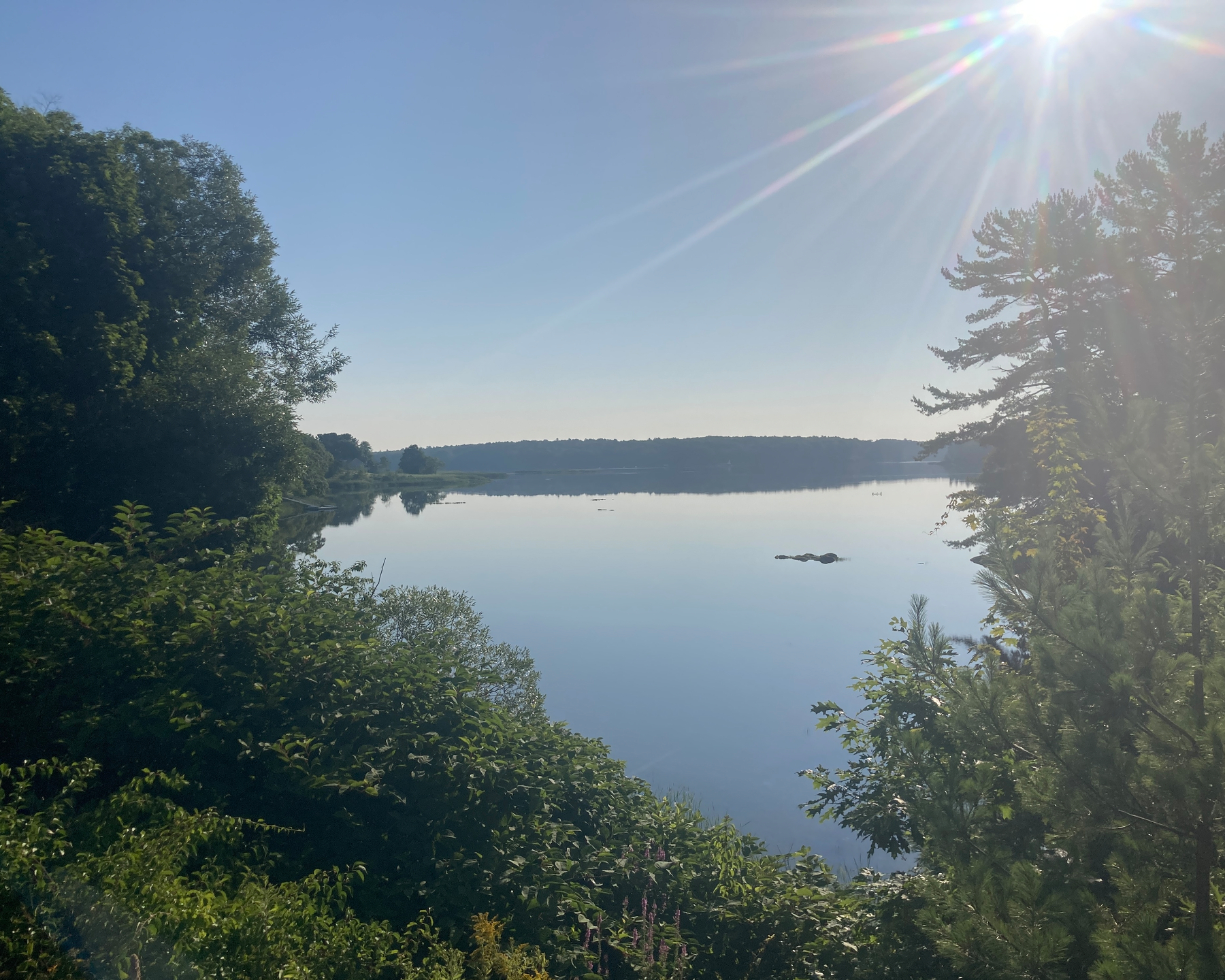
When your on-call beeper won’t let you sleep, look for a sunrise • A 4-am peek at Route 1 crossing the New Meadows River

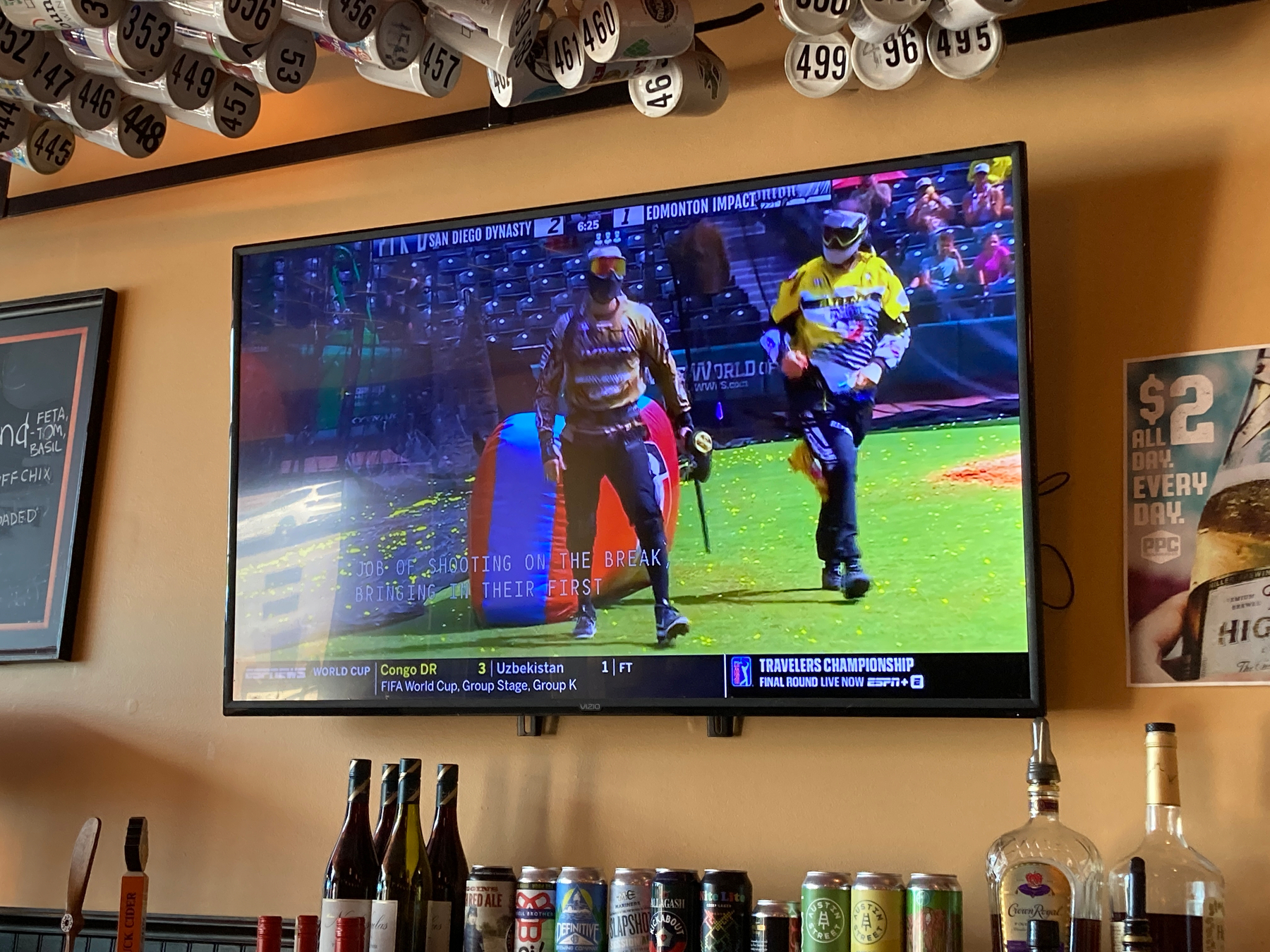
Spectator sports, and the conversion of all things in that direction, continue to puzzle me. In high school, we were very serious about our paintball game, which was almost entirely limited to an ever-evolving woods course at my friend’s farm. It never occurred to us in the building or the playing to involve television or bleachers. It was just something you did or didn’t do.
And the latest Dumb Dumb Stupid Dada award goes to… yours truly. 🙂
Yesterday was Get Shit Done Day (largely because today is Can’t Get Shit Done Day). And oh boy is it dangerous to set high bars for accomplishment these days.
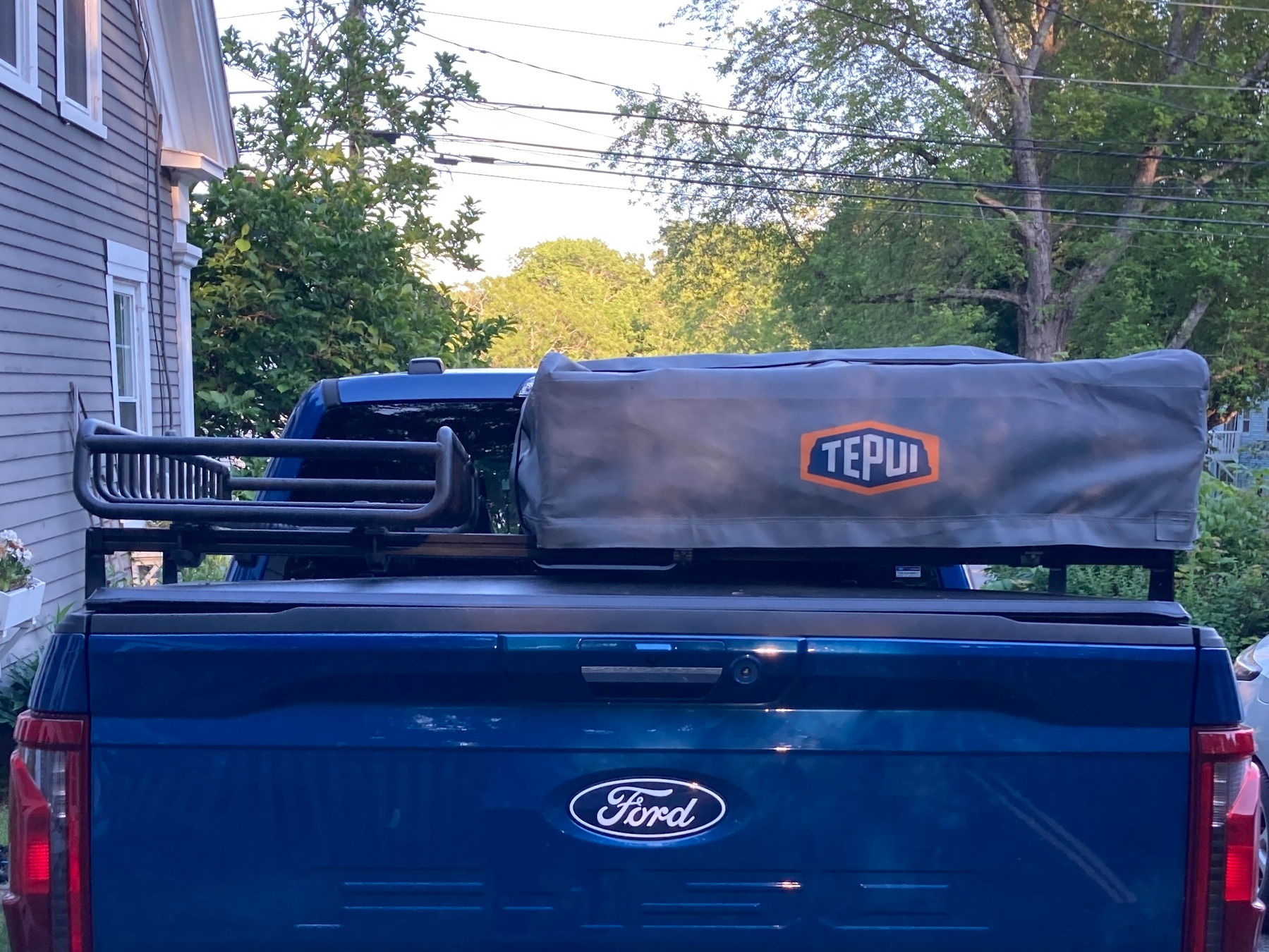
A few weeks ago, in anticipation of some summer camping, I took down my old rooftop tent from the rafters of our tiny, former-and-hopefully-future chicken coop shed to make sure it was in good shape. It’s 8 years old and only used a few times. (Rooftop camping is a young man’s game.) But it hasn’t been opened up at all in 5+ years and I needed to make sure it was bug and mold free before I ordered some mounting hardware. I opened it up on the lawn and, to my utter delight, it was immaculate; no sign of a single bug and not a hint of mildew.
It’s a bear for one man to squeeze it in that 6x6 shed and lift it overhead, and I and my back were not looking forward to doing that again. So, I closed it up, elevated it a few inches off the ground and thought to myself, “It’ll be okay there for a couple weeks while I wait for the ordered parts to mount it.”
Now you might be saying to yourself, “That is incorrect,” and you’d be right. You might be saying, “That is obviously incorrect, you moron,” and you’d be even more correct. But you would be no more correct than I was yesterday when I called myself an idiot forty times while I opened, dismantled, and cleaned every inch of the tent to rid it of the buggy bugs that called it home for the last few weeks. All of which needed to be accomplished before end of Naptime.
I make a lot of claims around these here bloggy parts about life and truth and honesty and integrity, but I don’t touch the smarts much. Life is more interesting when you’re stupid. And I do keep an interesting life.
At the end of the day, I give big props to Tepui (I don’t know the correct way to say it but my friends and I have always pronounced it “teepweeeee” with all 5 e’s), who made a stellar product that’s very easy to break down, clean, and maintain.
The tent is mounted and the boys are excited for some camping.

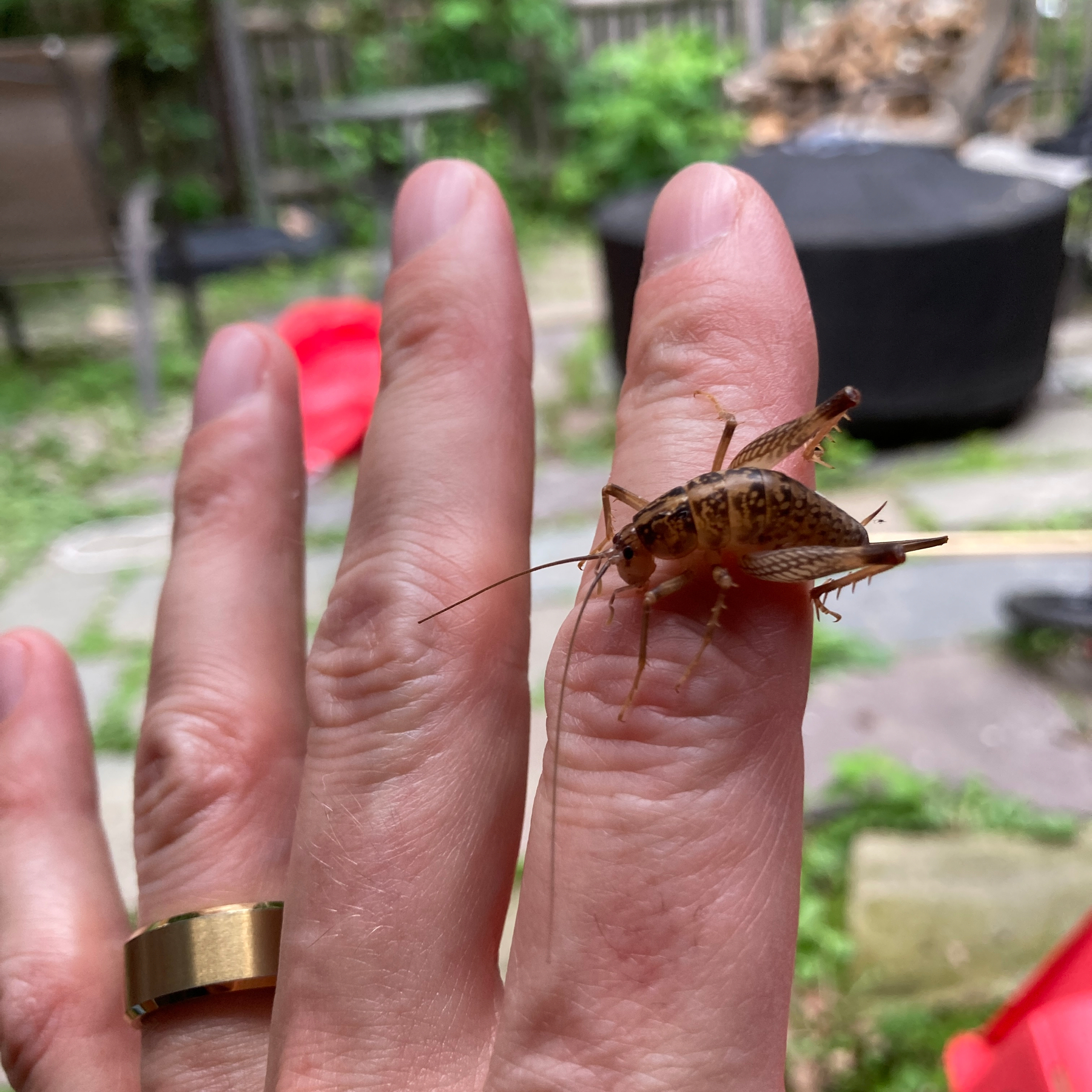
Il Grillo Parlante returns
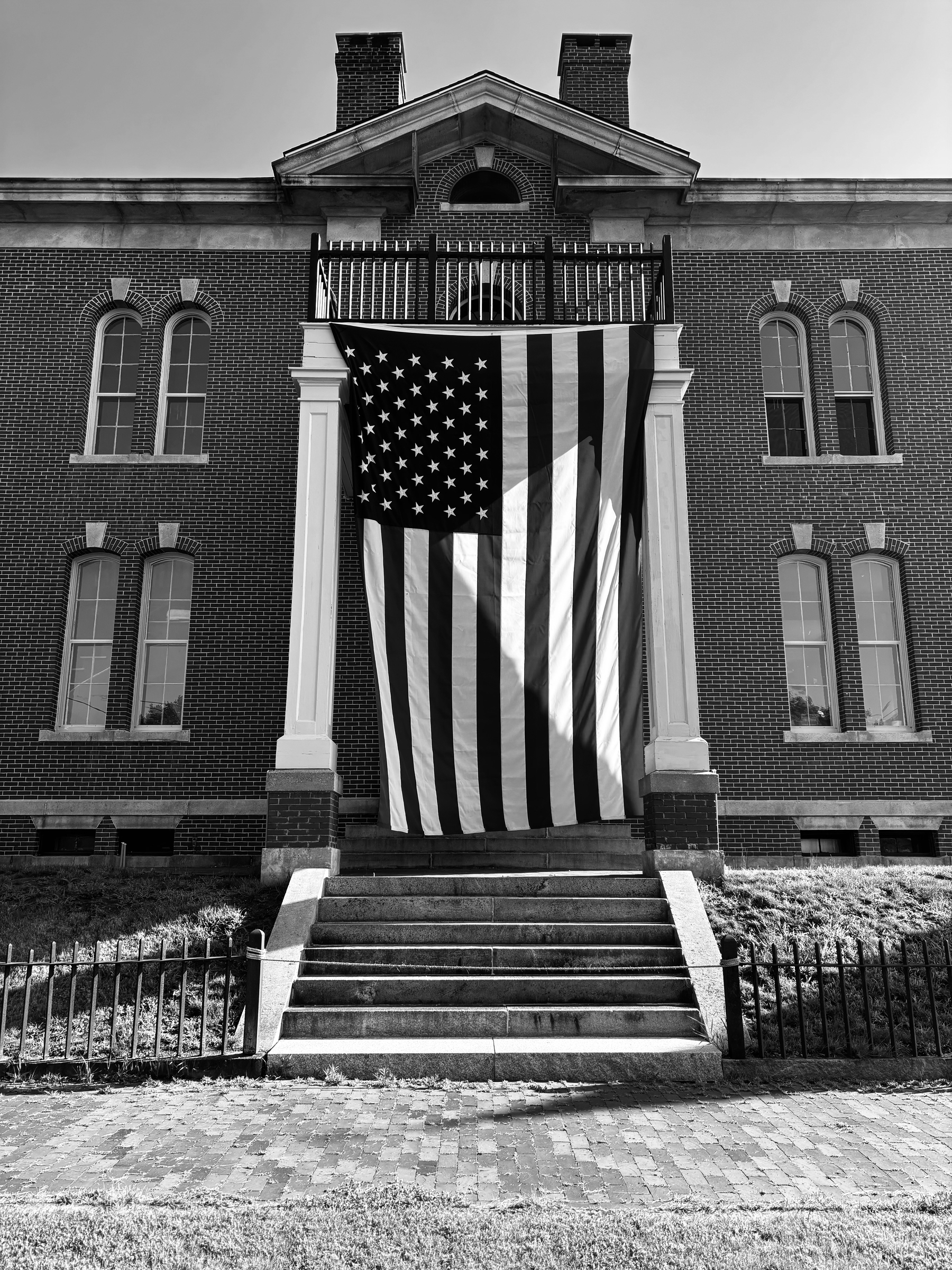
Presented without comment: